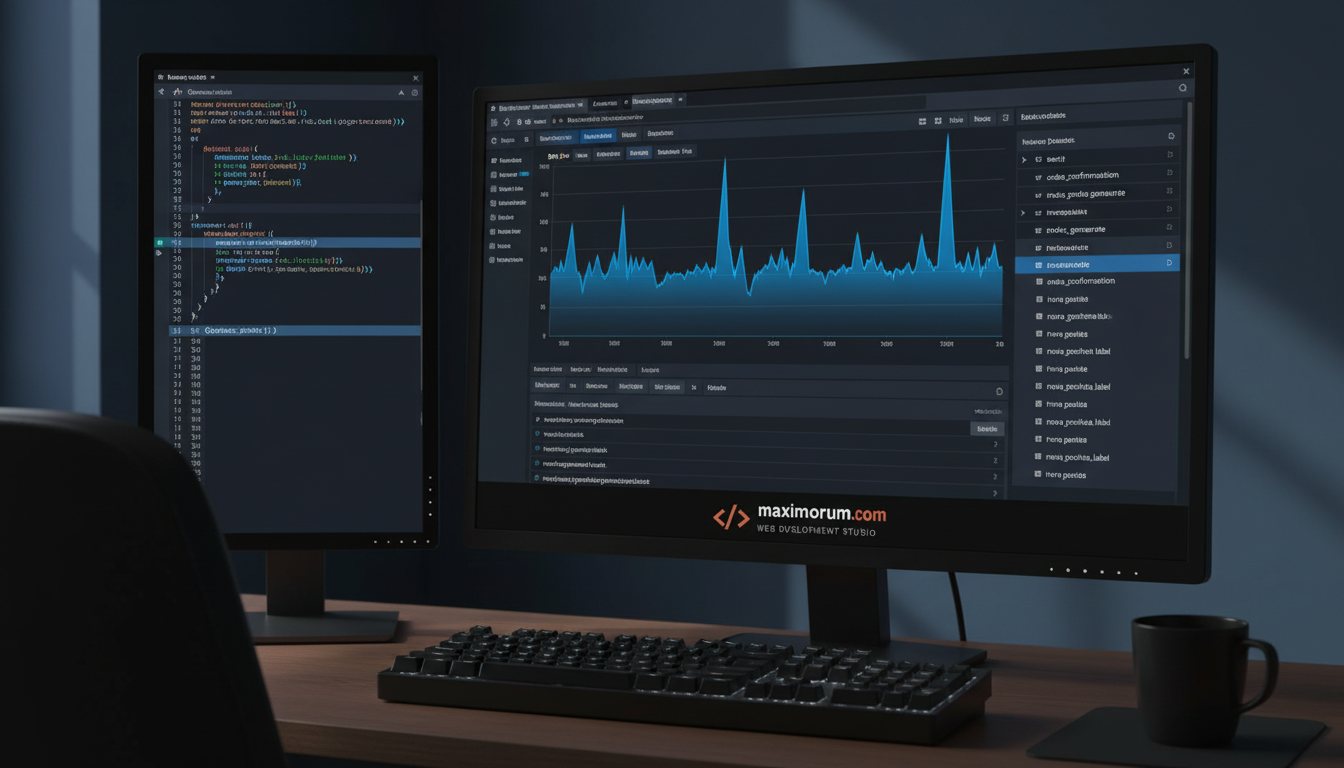
How Laravel Queues Reduce Checkout Time for High-Traffic Online Stores
When an online store processes hundreds of orders per hour, every second of checkout delay costs revenue. Synchronous task execution — sending emails, generating invoices, calling delivery APIs — blocks the request cycle and slows the customer experience. Laravel queues solve this directly.
What queues deliver
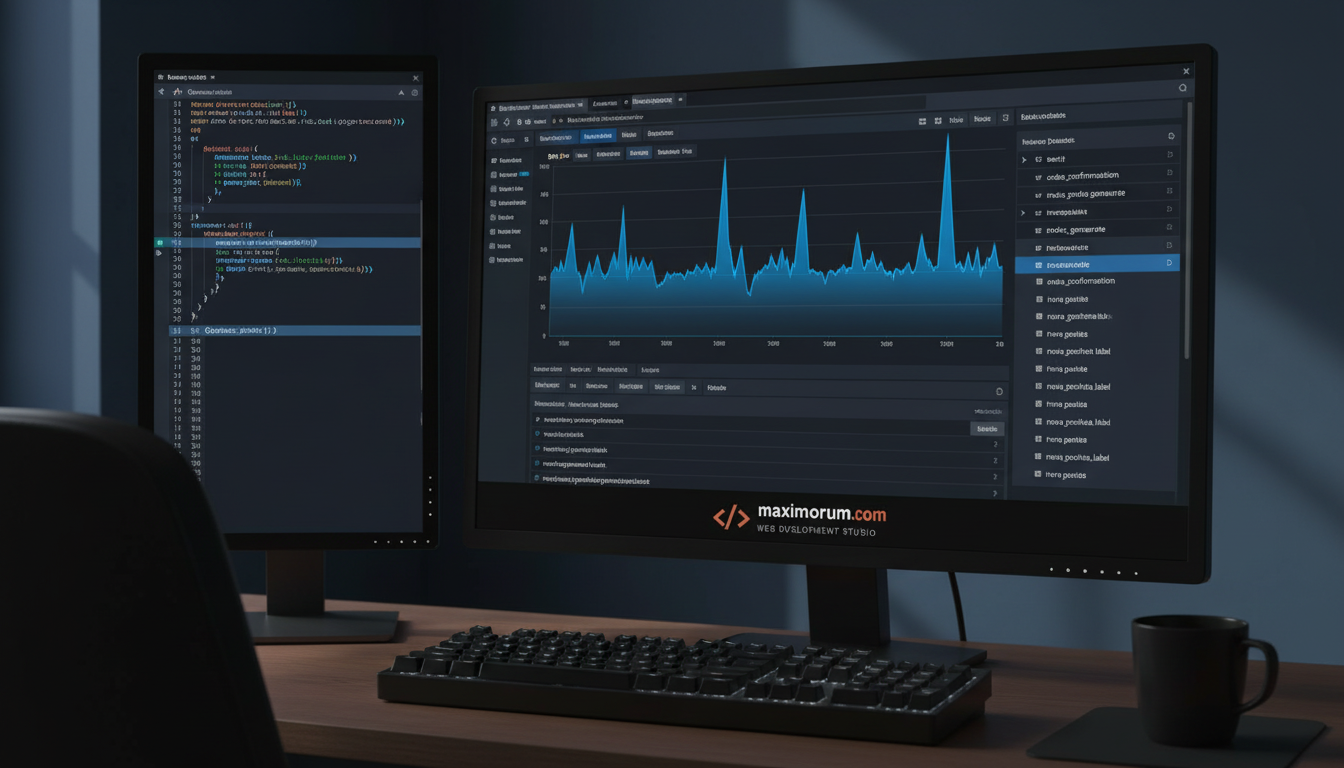
Laravel's queue system moves time-consuming tasks out of the HTTP request entirely. The customer clicks "Place order" and gets an instant confirmation. Behind the scenes, Laravel Horizon dispatches jobs to Redis workers that handle:
- Order confirmation and invoice emails via SMTP
- LiqPay and Monobank payment webhook processing
- Nova Poshta shipment label generation after payment confirmation
- Inventory synchronisation between OpenCart and back-office ERP
The numbers that matter
A typical migration from synchronous PHP to Laravel queues reduces average checkout response time from 3–4 seconds to under 500 ms. A 1-second improvement in server response time increases e-commerce conversions by approximately 7% — a measurable, repeatable outcome across platforms.
Stack we deploy
Laravel 11 · Laravel Horizon · Redis · PHP 8.3 · OpenCart integration layer · Nova Poshta API · LiqPay webhook handler
Where to start
Identify the three slowest tasks in your checkout flow. Move them to dedicated queue workers. Monitor with Laravel Horizon's real-time dashboard. Scale workers independently as traffic grows — without touching the web layer.
MaxiMoruM has implemented Laravel queue architecture for stores handling 500+ daily orders. The result: faster checkout, fewer abandoned carts, and a backend that scales without hardware upgrades.
→ Ready to remove checkout bottlenecks? Start the conversation at maximorum.com