LiqPay is the payment gateway of choice for Ukrainian e-commerce. Wire it directly into your Laravel application and you give customers a checkout flow they already trust — and your operations team one fewer manual step.
Why LiqPay matters for Ukrainian online stores
Stripe and PayPal cover international traffic well. But Ukrainian shoppers convert better on LiqPay: it supports PrivatBank cards, Monobank, and instant pay-link sharing via Viber or Telegram. For any store selling to a domestic audience, payment method friction is real and measurable.
The technical setup on Laravel
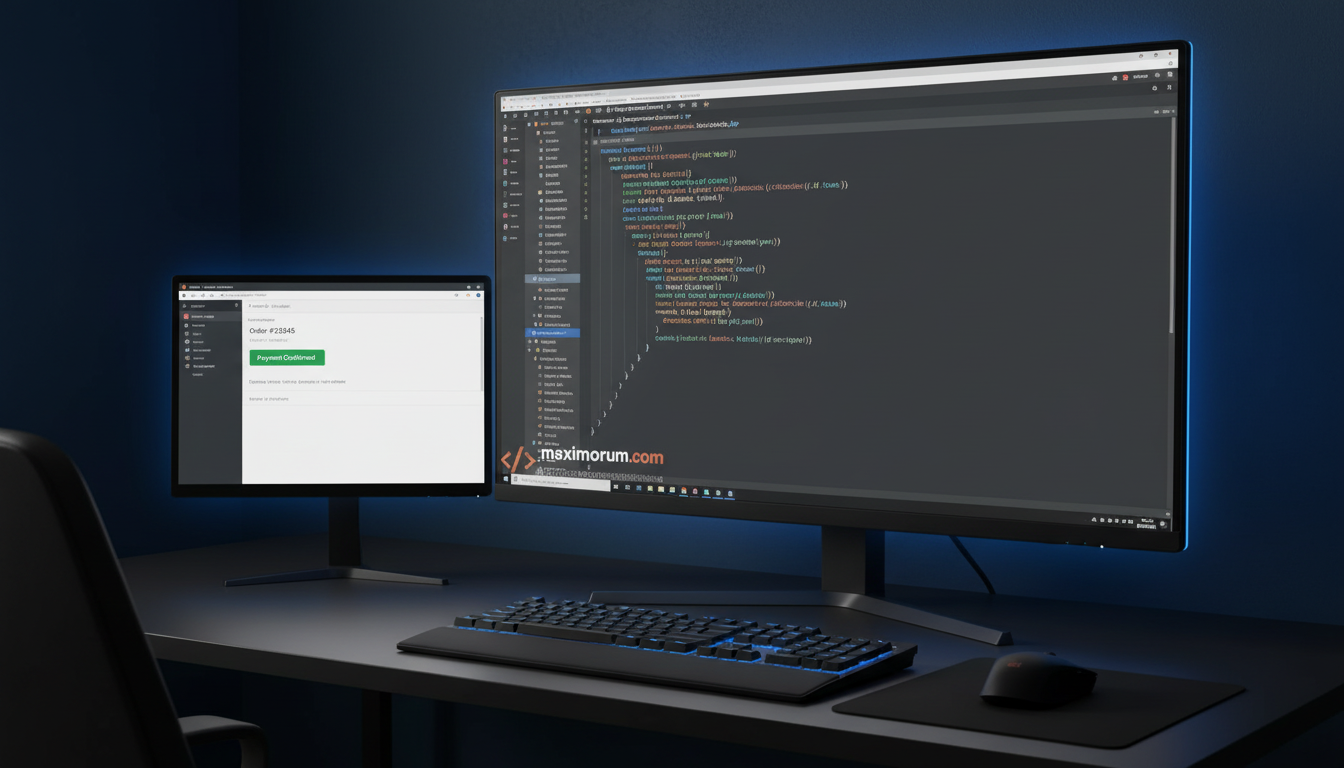
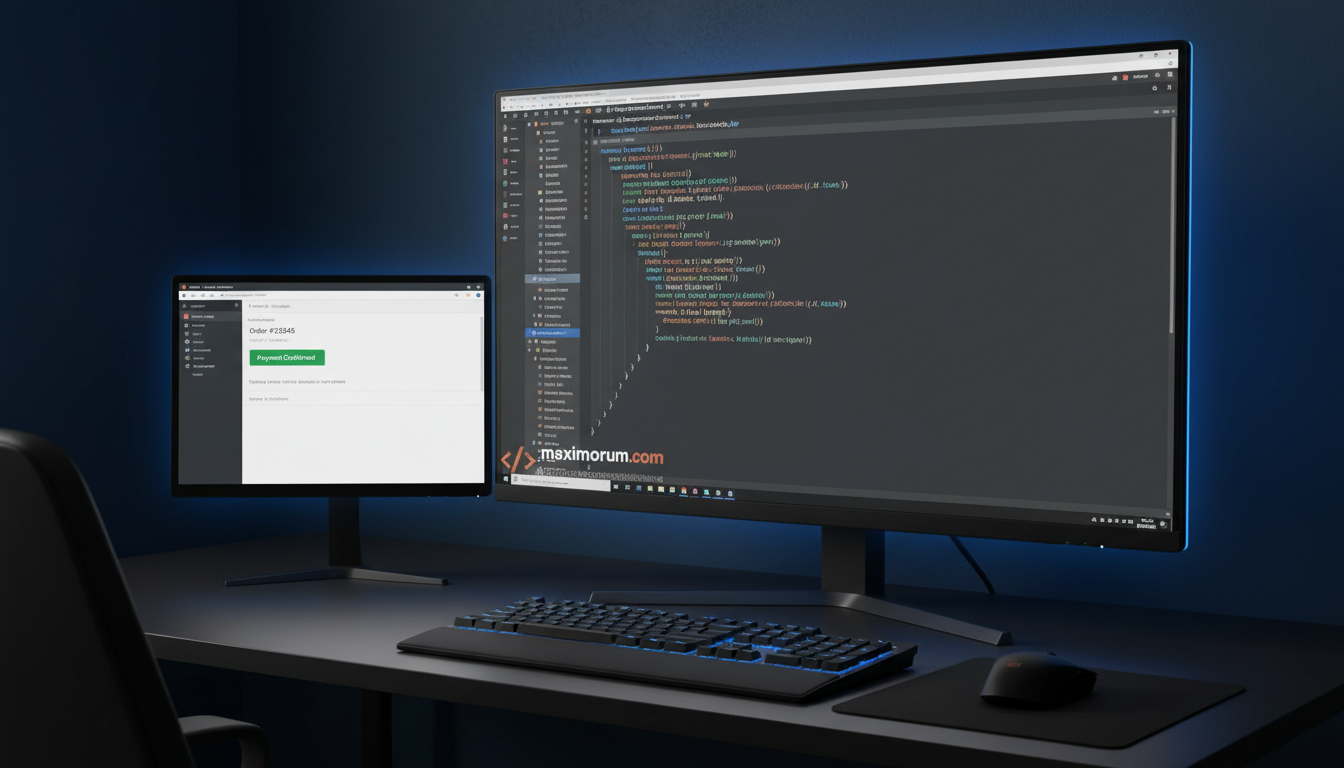
LiqPay's API is REST-based. You send a base64-encoded JSON payload alongside an SHA1 signature, and it returns a hosted payment page or an embedded checkout block. In Laravel, a dedicated Payment service class keeps the logic clean:
- Generate the
data+signaturepair inside a service class, not a controller - Use a signed
callback_urlroute so LiqPay can POST the payment result to your server - Verify the incoming signature before updating order status — this is the security step most integrations skip
- Fire a queued job on confirmation to send the receipt email and update stock
What this delivers
An average mid-size OpenCart or Laravel store sees checkout completion rates improve 8–12% after switching from a redirect-only flow to an embedded LiqPay block. Fewer redirects, faster perceived speed, one familiar payment brand.
Integration timeline
A production-grade LiqPay integration on an existing Laravel 10/11 app — including test mode, webhook handling, and order lifecycle hooks — takes MaxiMoruM 3–5 business days.
Ready to add LiqPay to your store? Talk to the MaxiMoruM team at maximorum.com — we have shipped this integration for dozens of Ukrainian merchants.