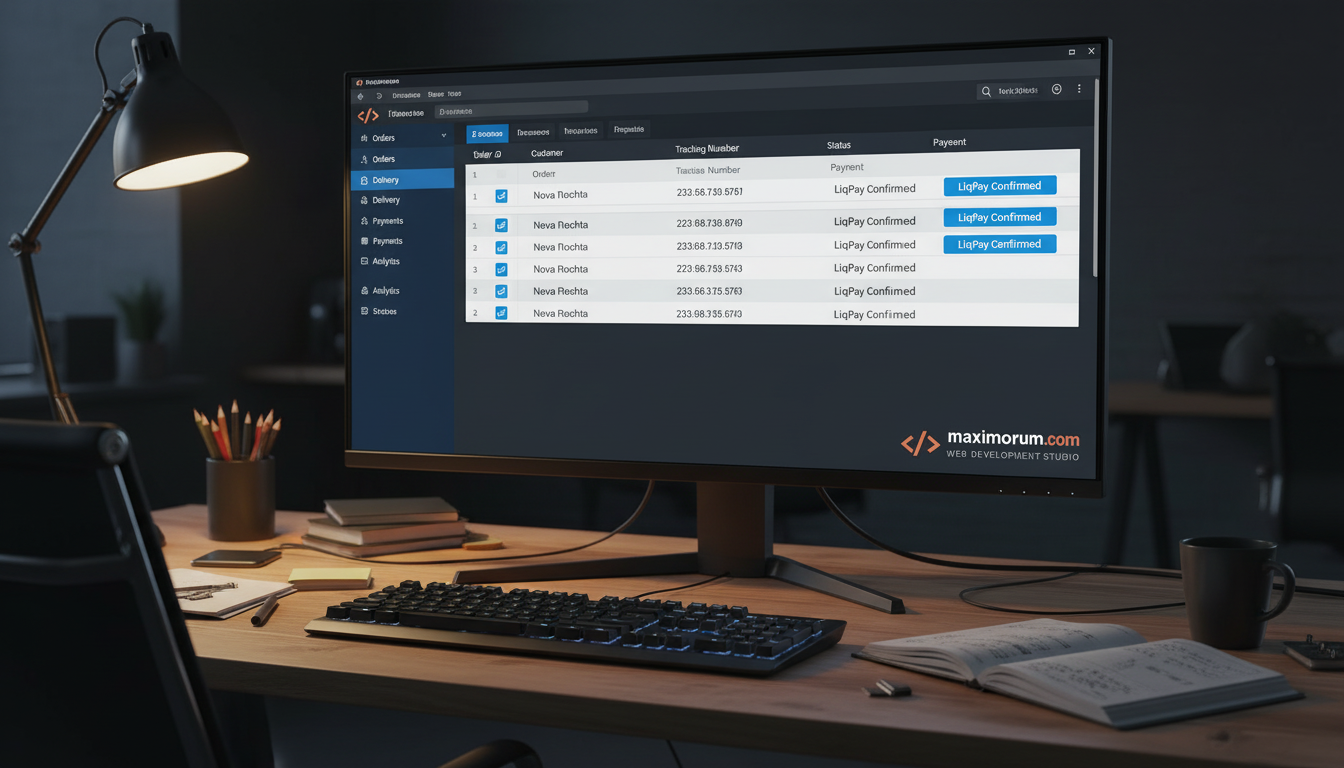
Your operations team deserves a dashboard built for your business — not a generic SaaS tool
Most businesses outgrow spreadsheets and off-the-shelf dashboards within months. When your team manages hundreds of orders, customer records, or supplier invoices, you need an admin panel built for your exact workflow.
Laravel Filament v3 solves this. It is an open-source admin panel framework built on Laravel, Livewire, and Alpine.js. We deploy Filament-powered dashboards that give operations teams full control over business data — without months of custom UI development.
What Filament delivers for your business
A Filament panel integrates directly with your existing Laravel application and Eloquent models. You get:
- CRUD interfaces for any data entity — orders, clients, products, invoices
- Role-based access control: different views for sales, logistics, and management
- Filters, bulk actions, and export to CSV or PDF
- Real-time statistics widgets and revenue charts
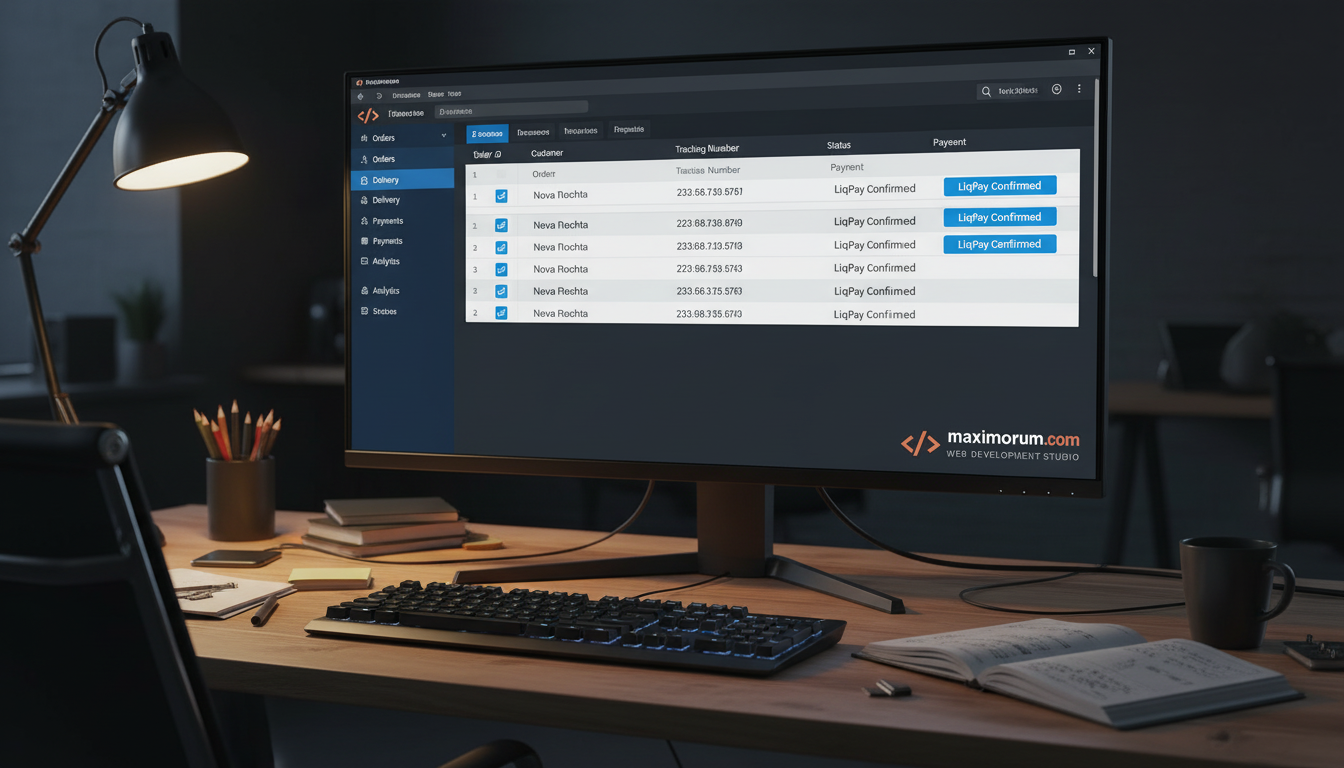
- LiqPay payment statuses and Nova Poshta tracking numbers pulled via API
A real use case: order management for an e-commerce retailer
We built a Filament panel for a Ukrainian online retailer running on OpenCart. The admin connected to the OpenCart database through a Laravel service layer, surfacing order status, Nova Poshta tracking numbers, and LiqPay payment confirmations — all in one interface. The operations team reduced their daily reporting time by 40%.
Why not use the platform's native admin?
WordPress and OpenCart ship with capable admin panels for standard tasks. When you need cross-system data — CRM records merged with order history and delivery tracking — a dedicated Laravel/Filament layer gives you a single source of truth. No third-party SaaS subscriptions, no per-seat fees, no data leaving your infrastructure.
How we build it
- Map your data entities and user roles
- Build the Laravel model layer (or connect to your existing database)
- Scaffold Filament resources with custom filters and relational tables
- Deploy with role-based permissions on your server
- Integrate with LiqPay, Nova Poshta, Monobank, or any API your business uses
The result
Operations teams get a tool that matches their workflow exactly. No per-seat SaaS fees, no data leaving your infrastructure, full ownership of the codebase.
If your team manages business data across multiple spreadsheets or fragmented dashboards, a Filament panel pays for itself in the first month.
→ See how we build custom admin panels at maximorum.com