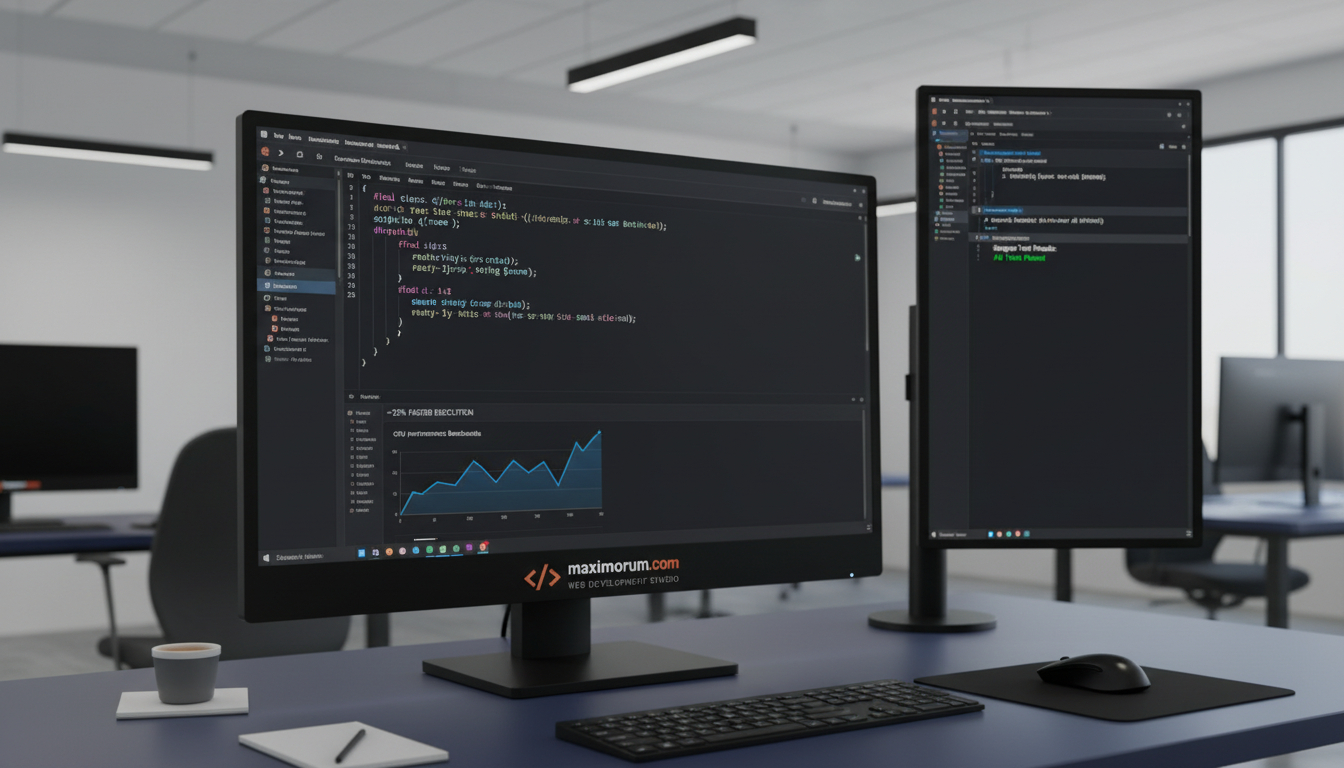
PHP 8.3 ships measurable performance improvements and developer-facing features that reduce bugs and server costs. If your business runs on Laravel, WordPress, or OpenCart, the upgrade is well-supported — and the business case is clear.
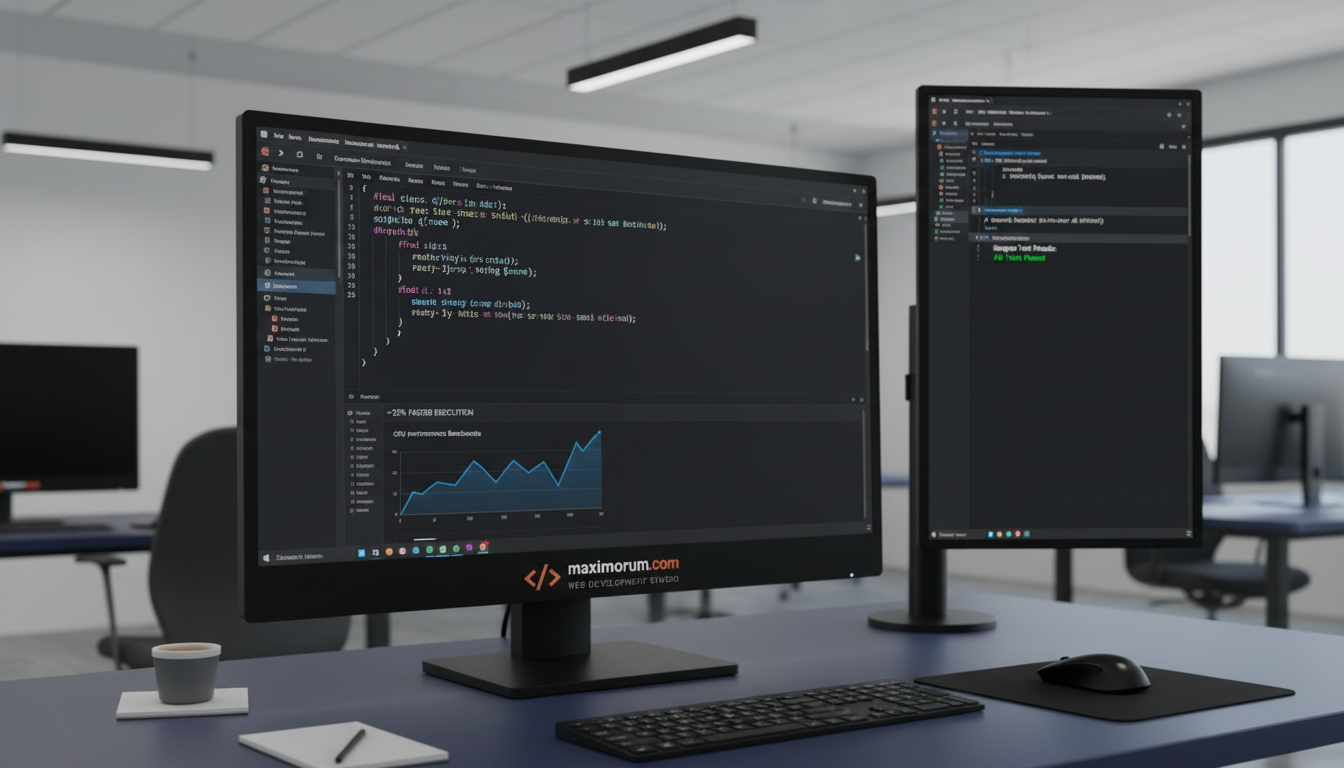
What PHP 8.3 delivers
Typed class constants prevent a category of runtime errors that are expensive to debug under production load. The new json_validate() function eliminates verbose try-catch blocks in API-heavy applications. Readonly property overrides in child classes simplify complex domain models, reducing code duplication in large Laravel projects.
JIT improvements in 8.3 matter most for CPU-bound work: report generation, image processing, and bulk data transformations run faster without code changes. On a Laravel 11 project processing 50,000 records per day, PHP 8.3 reduced execution time by approximately 12% versus PHP 8.1.
What the upgrade requires
Audit your Composer dependencies before switching. Extensions wrapping C libraries — Imagick, Redis, MongoDB drivers — must be at 8.3-compatible versions. Run composer require --dry-run on a staging branch to surface conflicts before production.
Laravel 10 and 11 support PHP 8.3 fully. WordPress 6.4+ is compatible out of the box. OpenCart 4.x supports it natively; OpenCart 3 installations need an extension audit first.
The business outcome
Faster response times lower infrastructure costs and improve Core Web Vitals scores, which directly affect organic search rankings. Fewer runtime errors mean fewer emergency hotfixes — your team focuses on features instead of firefighting.
MaxiMoruM handles PHP version upgrades as part of ongoing support engagements: dependency audits, staging tests, and zero-downtime deployment. Ready to upgrade your platform to PHP 8.3? Contact us at maximorum.com.